Pokemon Cards Worth Money
Last updated: February 2026
| # | Card | Set | Market Price | PSA 10 | 30-Day Trend |
|---|---|---|---|---|---|
| 1 | Gyarados Star (Delta Species) | Holon Phantoms | $2,000 | $98,888 | +0.0% |
| 2 | Charizard Star (Delta Species) | Dragon Frontiers | $599.00 | $58,723 | +0.0% |
| 3 | Mew Star (Delta Species) | Dragon Frontiers | $1,700 | $57,500 | +0.0% |
| 4 | Poncho-wearing Pikachu - 230/XY-P | XY Promos | $3,599 | $9,650 | — |
| 5 | Poncho-wearing Pikachu - 230/XY-P (Japanese) | XY-P: XY Promos | $4,000 | $11,000 | +0.0% |
| 6 | Latios Star | Deoxys | $1,141 | $51,100 | — |
| 7 | Pikachu (1) | WoTC Promo | $27.64 | $750.00 | +0.0% |
| 8 | Pikachu Star | Holon Phantoms | $3,200 | $50,000 | +0.0% |
| 9 | Lugia | Aquapolis | $2,500 | $41,500 | +0.0% |
| 10 | Charizard | Deck Exclusives | $180.64 | $3,800 | +0.0% |
| 11 | Latias Star | Deoxys | N/A | $37,500 | — |
| 12 | Gengar (H9) | Skyridge | $7,386 | $34,905 | — |
| 13 | Charizard | Legendary Collection | $500.00 | $34,100 | +0.0% |
| 14 | Charizard (Japanese) | Mysterious Mountains | N/A | $24,000 | — |
| 15 | Rayquaza Star | Deoxys | $2,501 | $9,898 | +0.0% |
| 16 | Poncho-wearing Pikachu - 207/XY-P | XY Promos | $7,211 | $27,000 | — |
| 17 | Dark Dragonite | Legendary Collection | $509.99 | $26,000 | +0.0% |
| 18 | Vaporeon Star | Power Keepers | $457.00 | $1,075 | +0.0% |
| 19 | Charizard G | Supreme Victors | $94.24 | $24,950 | +0.0% |
| 20 | Mewtwo Star | Holon Phantoms | $2,002 | $24,500 | +0.0% |
1. Gyarados Star (Delta Species) (Holon Phantoms)
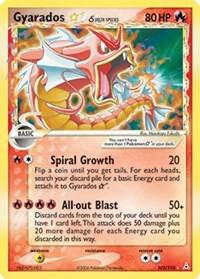
Gyarados Star (Delta Species)
Holon Phantoms · 102/110 · Ultra Rare
Market Price
$2,000
Low/High
$2,000 - $2,000
PSA 10
$98,888
30-Day Trend
+0.0%
2. Charizard Star (Delta Species) (Dragon Frontiers)
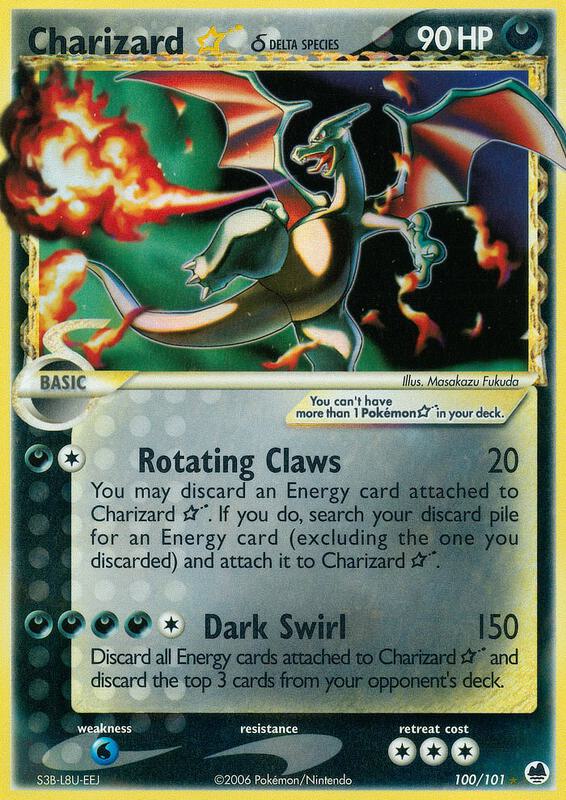
Charizard Star (Delta Species)
Dragon Frontiers · 100/101 · Ultra Rare
Market Price
$599.00
Low/High
$599.00 - $599.00
PSA 10
$58,723
30-Day Trend
+0.0%
3. Mew Star (Delta Species) (Dragon Frontiers)
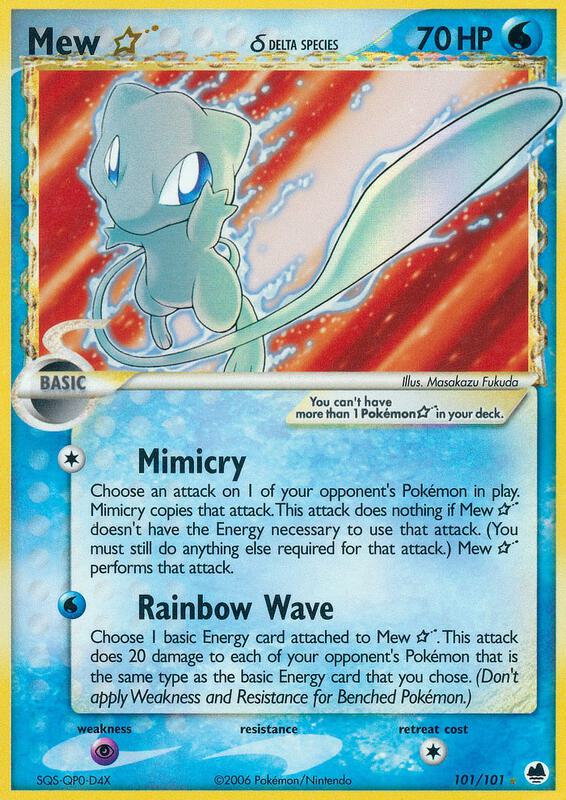
Mew Star (Delta Species)
Dragon Frontiers · 101/101 · Ultra Rare
Market Price
$1,700
Low/High
$1,700 - $1,700
PSA 10
$57,500
30-Day Trend
+0.0%
4. Poncho-wearing Pikachu - 230/XY-P (XY Promos)
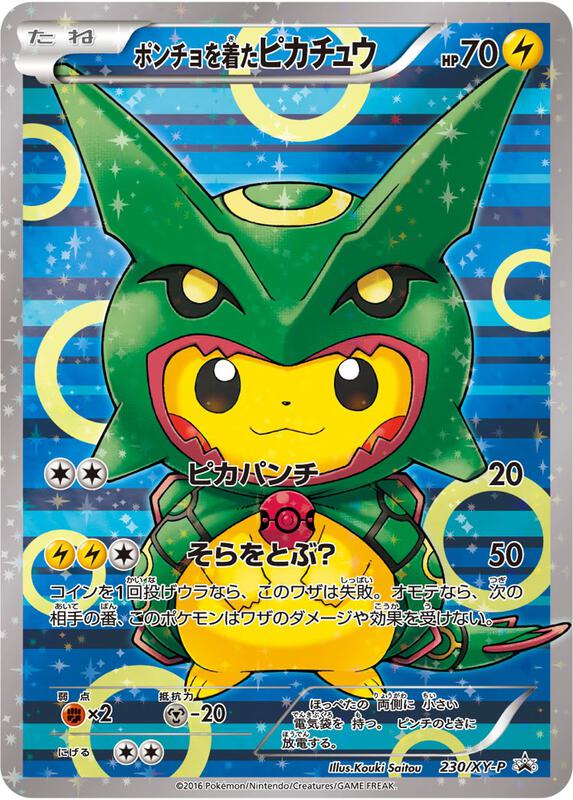
Poncho-wearing Pikachu - 230/XY-P
XY Promos · 230 · Promo
Market Price
$3,599
Low/High
$3,599 - $3,599
PSA 10
$9,650
30-Day Trend
—
5. Poncho-wearing Pikachu - 230/XY-P (Japanese) (XY-P: XY Promos)
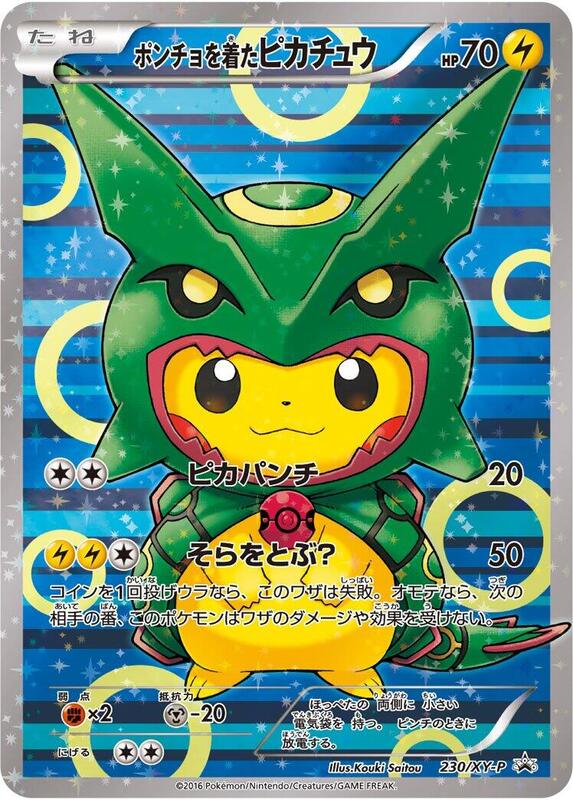
Poncho-wearing Pikachu - 230/XY-P (Japanese)
XY-P: XY Promos · 230/XY-P · Common
Market Price
$4,000
Low/High
$4,000 - $4,000
PSA 10
$11,000
30-Day Trend
+0.0%
6. Latios Star (Deoxys)
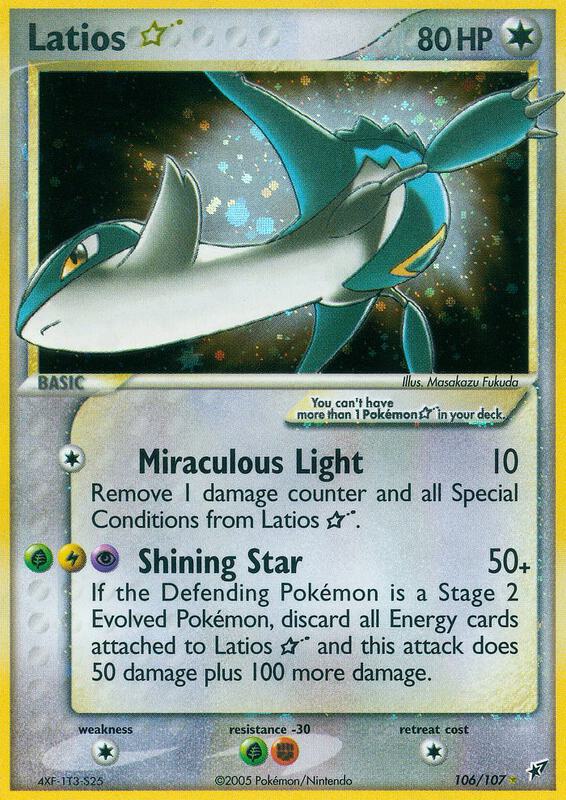
Latios Star
Deoxys · 106/107 · Ultra Rare
Market Price
$1,141
Low/High
$1,141 - $1,141
PSA 10
$51,100
30-Day Trend
—
7. Pikachu (1) (WoTC Promo)

Pikachu (1)
WoTC Promo · 01/53 · Promo
Market Price
$27.64
Low/High
$25.76 - $38.00
PSA 10
$750.00
30-Day Trend
+0.0%
8. Pikachu Star (Holon Phantoms)
Pikachu Star
Holon Phantoms · 104/110 · Ultra Rare
Market Price
$3,200
Low/High
$3,200 - $3,200
PSA 10
$50,000
30-Day Trend
+0.0%
9. Lugia (Aquapolis)
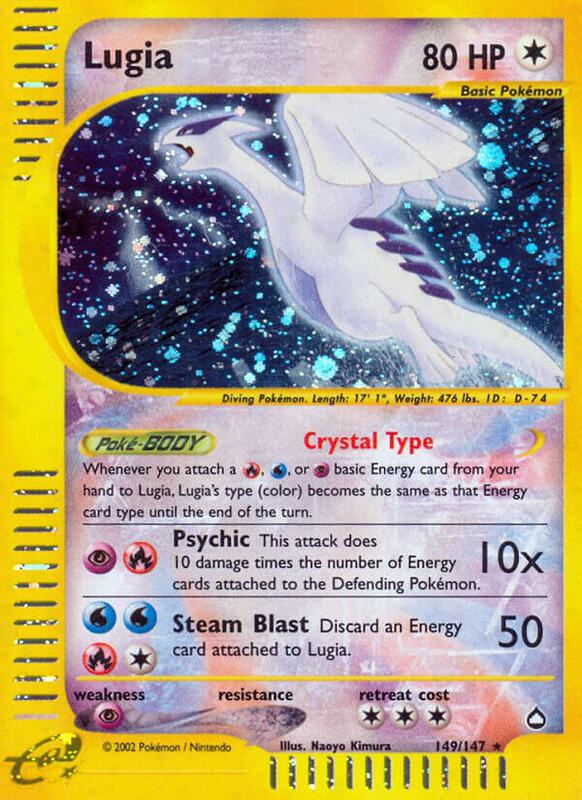
Lugia
Aquapolis · 149/147 · Secret Rare
Market Price
$2,500
Low/High
$2,500 - $2,500
PSA 10
$41,500
30-Day Trend
+0.0%
10. Charizard (Deck Exclusives)
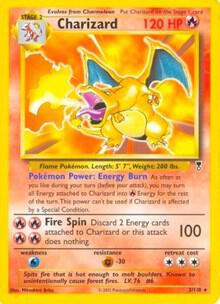
Charizard
Deck Exclusives · 003/110 · Rare
Market Price
$180.64
Low/High
$177.60 - $177.60
PSA 10
$3,800
30-Day Trend
+0.0%
Vintage Pokemon Cards Worth Money: Live Prices (1999-2003)
When you price-check old Pokemon cards, the high numbers almost always trace back to the Wizards of the Coast (WOTC) era, from Base Set through Skyridge (1999-2003). These cards shipped during the first Pokemon craze and were played hard: shuffled bare, creased, swapped at recess, or lost entirely. That is why a clean copy fetches so much when you look it up today.
The card to price first is the 1st Edition Base Set Charizard Holo (#4). Pull the comps and a PSA 10 shows a $420,000 sale from 2022, while even a PSA 7 keeps clearing above $15,000. Check the Unlimited (non-1st-Edition) version and PSA 10 copies still come back at $5,000-$8,000. Shadowless variants: printed between the 1st Edition and Unlimited runs and spotted by the missing drop shadow on the artwork border: land in the middle, with PSA 10 listings hitting $30,000-$50,000. Before you trust a Shadowless price, confirm the variant: compare the right edge of the art frame for a shadow, because mislabeling this is the most common reason a price comparison goes wrong for newer buyers.
Run the numbers on the other Base Set holographics too and you will find plenty of valuable Pokemon cards worth money:
- Blastoise Holo (#2): 1st Edition PSA 10: $30,000+; Unlimited PSA 10: $2,500-$4,000
- Venusaur Holo (#15): 1st Edition PSA 10: $20,000+; Unlimited PSA 10: $2,000-$3,500
- Alakazam Holo (#1): 1st Edition PSA 10: $12,000+
- Chansey Holo (#3): 1st Edition PSA 10: $8,000+
- Mewtwo Holo (#10): 1st Edition PSA 10: $15,000+
- Hitmonchan Holo (#7): 1st Edition PSA 10: $6,000+
- Raichu Holo (#14): 1st Edition PSA 10: $5,500+
- Gyarados Holo (#6): 1st Edition PSA 10: $7,000+
Do not skip the non-holo rares when you price a Base Set lot. A 1st Edition Machamp (the holo packed into theme decks) is technically common, since every starter deck shipped one, yet PSA 10 comps still read $500-$1,000 because so few survived rough handling by young players.
Move down a tier and the Jungle and Fossil sets (1999) are where you check next. Jungle Jolteon Holo, Flareon Holo, Vaporeon Holo, and Fossil Gengar Holo each price at $3,000-$7,000 in 1st Edition PSA 10. Fossil Dragonite Holo is an easy one to underprice: it regularly clears $3,000-$5,000 in 1st Edition PSA 10 thanks to Dragonite's lasting popularity. Lapras Holo and Muk Holo from Fossil are friendlier entry prices at $1,500-$3,000 in top grades.
Team Rocket (2000) brought "Dark" Pokemon. Look up Dark Charizard Holo in 1st Edition PSA 10 and you will see $8,000-$12,000, while Dark Blastoise Holo prices at $3,500-$5,000. The set also holds the first English Secret Rare, Dark Raichu (#83/82), which checks in at $2,000-$3,500 in PSA 10. Dark Dragonite Holo and Dark Arbok Holo are cheaper to chase in the $1,000-$2,500 band.
The Gym Heroes and Gym Challenge sets added trainer-themed cards. Price Blaine's Charizard Holo from Gym Challenge in 1st Edition PSA 10 and expect $5,000-$8,000. Sabrina's Gengar, Lt. Surge's Raichu, and Giovanni's Gyarados also list strong at $1,500-$3,000 each in top grades. Erika's Vileplume and Misty's Gyarados ride anime nostalgia and trade for $1,000-$2,500.
The Neo series (Neo Genesis through Neo Destiny) gave us Shining Pokemon: a reverse-holo effect across the whole illustration. Check Shining Charizard from Neo Destiny in 1st Edition PSA 10 at $10,000-$20,000, with Shining Mewtwo at $5,000-$8,000. Shining Gyarados and Shining Magikarp from Neo Revelation also command attention at $2,000-$5,000 in PSA 10 1st Edition. Neo Genesis Lugia Holo, Lugia's English TCG debut, prices at $3,000-$6,000 in 1st Edition PSA 10 and is a Johto-era staple to look up. Shining Celebi, Shining Steelix, and Shining Kabutops from Neo Destiny fill out the Shining lineup at $2,000-$4,000 each.
The e-Reader sets, Expedition, Aquapolis, and Skyridge (2002-2003), closed out WOTC with smaller print runs because Pokemon's first wave had cooled by then. Look up Skyridge Charizard Holo (#146) in PSA 10 and you will find $40,000+ sales, putting it among the priciest English Pokemon cards to price. Crystal-type cards from Aquapolis and Skyridge: Crystal Charizard, Crystal Lugia, Crystal Ho-Oh, Crystal Celebi, and Crystal Nidoking: also check high, frequently $5,000-$18,000 in PSA 10. Skyridge is unusual because it sold in blister packs with cards visible, so retailers cherry-picked holo packs, which is why sealed Skyridge boosters now price among the most expensive sealed product around at $2,000-$5,000 a pack.
Do not forget to price the Japanese-exclusive vintage promos. The Tropical Mega Battle Tropical Wind card (handed to just 12 finalists at a 1999 Hawaiian tournament) has comps above $65,000. The University Magikarp and Tamamushi University Hyper Test promos from Japanese academic events look up at $10,000-$30,000 depending on condition. For dedicated collectors these ultra-rare promos sit at the very top of the price charts.
Modern Pokemon Cards Worth Money: What They Cost Now (2020-2026)
You do not need vintage stock to be holding Pokemon cards worth money: price-check the modern Sword & Shield and Scarlet & Violet eras and you will find chase cards costing hundreds or thousands straight out of the pack. Print runs are far larger than vintage, but the Alternate Art, Special Illustration Rare, and Special Art Rare slots create scarcity tiers inside each set that push prices way up.
The first modern card to look up is Umbreon VMAX Alt Art (#215) from Evolving Skies (2021). PSA 10 comps land at $3,500-$5,000, powered by Mitsuhiro Arita's moonlit artwork and Umbreon's huge fanbase. Even raw near-mint copies price at $300-$500. With a pull rate around 1 in 700 packs, it is one of the hardest modern cards to hit.
Other Sword & Shield era cards worth pricing include:
- Moonbreon (Umbreon VMAX TG30) from Brilliant Stars: PSA 10: $500-$800; raw NM: $100-$150
- Charizard VSTAR Rainbow (#174) from Brilliant Stars: PSA 10: $200-$350
- Giratina VSTAR Alt Art (#131) from Lost Origin: PSA 10: $400-$700; raw NM: $80-$120
- Rayquaza VMAX Alt Art (#218) from Evolving Skies: PSA 10: $600-$1,000; raw NM: $150-$250
- Gengar VMAX Alt Art (#271) from Fusion Strike: PSA 10: $250-$400
- Mew VMAX Alt Art (#269) from Fusion Strike: PSA 10: $200-$350
- Dragonite V Alt Art (#203) from Evolving Skies: PSA 10: $150-$250
- Leafeon VMAX Alt Art (#205) from Evolving Skies: PSA 10: $150-$250
- Glaceon VMAX Alt Art (#209) from Evolving Skies: PSA 10: $150-$250
Price the whole set and Evolving Skies is the most valuable modern release going, packing eight Alternate Art Eeveelution cards plus the Rayquaza and Dragonite Alt Arts. Add up a complete PSA 10 run of every Evolving Skies Alt Art and the combined price tops $8,000, a genuine modern-era trophy.
The Scarlet & Violet era added Special Illustration Rares (SIR) and Special Art Rares (SAR), which took over from Secret Rares as the top cards to chase and price. They show full-bleed panoramic scenes that collectors worldwide want. Cards worth looking up:
- Charizard ex SAR (#199) from Obsidian Flames: raw: $80-$120; PSA 10: $250-$400
- Mew ex SAR (#232) from Paldea Evolved: PSA 10: $150-$250
- Miraidon ex SAR (#244) from Scarlet & Violet Base: PSA 10: $100-$180
- Charizard ex SIR (#223) from 151: PSA 10: $300-$500; raw NM: $100-$180
- Pikachu ex SIR (#230) from Surging Sparks: PSA 10: $200-$350
- Eevee ex SIR (#235) from Prismatic Evolutions: PSA 10: $150-$280
- Umbreon ex SIR (#244) from Prismatic Evolutions: PSA 10: $200-$400
- Mew ex SIR (#205) from 151: PSA 10: $150-$300
Prismatic Evolutions (2025) turned into one of the most hyped sets ever, with Special Illustration Rares for every Eeveelution. Demand ran so hot that sealed product vanished within minutes at retail, and price-checking booster boxes on the secondary market showed $150-$250: double MSRP. It is a clean example of how modern Pokemon cards worth money get made: a beloved Pokemon, standout art, and supply that cannot keep up with demand.
Price the Japanese-exclusive promos as well. The Pikachu Van Gogh promo from the 2023 Amsterdam museum tie-in trades at $200-$400, and the Munch Pikachu (Scream promo) from the 2018 Tokyo Art Museum collaboration looks up at $300-$600. Limited tournament prize cards like the Illustration Contest winner promos can reach five figures. Watch every new set and collaboration, because fresh Pokemon cards worth money keep appearing with each release. Pull live prices anytime with our Pokemon card price checker.
How to Spot (and Price) Pokemon Cards Worth Money
Before you can price a card, you have to identify what separates a $0.10 common from a $10,000 rarity. Here is the order to check things in when you pick up any card, whether it came from a childhood binder or a bulk lot you just bought.
1. Read the rarity symbol first. Bottom-right corner of every card you will see a circle (Common), diamond (Uncommon), or star (Rare). A star is the floor for anything worth pricing. Modern sets layer on more markers: three stars for Ultra Rare, a star with "H" for Holo Rare, crown symbols for Illustration Rares, and special textures for Secret Rares. WOTC-era cards only used three levels, but treat every holo from that era as at least a Rare and worth looking up.
2. Look for holographic finishes. Holo cards, the ones with the shiny rainbow surface on the art, almost always price above their non-holo versions. Full Art cards (artwork running to the edges) and Alt Art cards (Pokemon in real-world scenes instead of action poses) are the top modern variants to price. In vintage sets the holo pattern itself flags value: Base Set used a "galaxy" swirl, while later WOTC sets used patterns collectors hunt for.
3. Check for First Edition stamps. Cards from Base Set through Neo Destiny may carry a small "1st Edition" stamp on the left, below the art. First Edition copies price 2x to 50x over Unlimited, depending on the card and condition, so always confirm this before you pull comps. The stamp is a small text block: do not confuse it with the lookalike "Edition 1" text on some international printings. A Shadowless Base Set card (no drop shadow on the art frame, but no 1st Edition stamp either) is another premium variant to verify before pricing.
4. Identify the set and year. The set symbol sits near the bottom-right next to the card number. Older sets (1999-2003) usually hold the higher-priced cards. Within any era, certain sets price hot: Base Set, Neo Destiny, Skyridge, Evolving Skies, 151, and Prismatic Evolutions. The card number tells you something too: "102/100" means a Secret Rare (above the set count), which usually prices higher. Cross-reference set symbols against an online database to nail down the set fast before you check value.
5. Factor in the Pokemon species. Some Pokemon consistently price higher no matter the set: Charizard, Pikachu, Umbreon, Rayquaza, Mewtwo, Gengar, Lugia, and the Eevee evolutions lead. Price a holo Charizard against a holo Electrode from the same set and the Charizard wins every time. Legendaries and Mythicals like Mew, Celebi, Dialga, and Arceus carry premiums too, just less reliably than the headliners. Fan-favorite starters (Bulbasaur, Squirtle, Charmander lines) always have buyers regardless of era.
6. Watch for error cards and misprints. Printing errors: missing stamps, wrong energy symbols, off-center prints, miscut edges, crimped cards, wrong back printing: sometimes price above clean copies, so check them. The "No Rarity Symbol" Base Set cards (Jungle/Fossil printed without set symbols) are famous and look up at $50-$500. The "d Edition" Wartortle misprint and the "Ninetales" Base Set error (wrong evolution stage text) price at $500-$2,000+. Not every error adds value, though: only distinctive, verifiable, community-recognized errors carry a premium.
7. Check promotional stamps and distribution markers. Cards stamped "PRERELEASE," "STAFF," or "PROMO" came from special events. Staff promos are often much rarer than player promos and can price 3x-10x higher. Black Star Promos from the WOTC era (PROMO 1 through PROMO 53) include some worth pricing, like Pikachu PROMO 1 (Ivy variant) at $100-$300 in PSA 10 and Mew PROMO 8 from the first Pokemon movie.
8. Account for language and region. English cards generally price highest in the Western market, but Japanese cards can command premiums for first printings, exclusive art, or limited runs. Korean, Chinese, and European-language printings usually price below English or Japanese unless they hold regional exclusives or rare print errors.
Run any card through our price checker to pull its current market value instantly. For a curated rundown, browse our most valuable Pokemon cards page.
Top 25 Pokemon Cards Worth Money: 2026 Price List
Hunting the top 100 Pokemon cards worth money? The full ranking lives on our most valuable Pokemon cards page, but here is the priced top 25 for English-language cards as of early 2026, built from PSA 10 sales data and verified auction comps. These are the cards people price-check most often.
- 1. Pikachu Illustrator (1998 CoroCoro promo): $5,275,000: only 41 copies known, awarded in a 1998 Japanese illustration contest
- 2. 1st Edition Base Set Charizard Holo (#4/102): $420,000: the most iconic Pokemon card ever printed
- 3. Shadowless Base Set Charizard Holo, $50,000, printed between 1st Edition and Unlimited, identifiable by no shadow on the art frame
- 4. Skyridge Charizard Holo (#146): $40,000: extremely low print run from the final WOTC set
- 5. 1st Edition Base Set Blastoise Holo (#2/102): $30,000: the second-most-valuable starter Pokemon card
- 6. Gold Star Umbreon (POP Series 5): $25,000: only available in POP Series 5 booster packs given at Pokemon League events
- 7. 1st Edition Neo Destiny Shining Charizard (#107): $20,000: the first Shining card featuring Charizard, iconic reverse-holo effect
- 8. 1st Edition Base Set Venusaur Holo (#15/102): $20,000: completing the starter trio alongside Charizard and Blastoise
- 9. Crystal Charizard (Skyridge #146/144): $18,000: Crystal-type Pokemon with unique artwork extending beyond the art frame
- 10. 1st Edition Base Set Mewtwo Holo (#10/102): $15,000: Mewtwo's first appearance in the English TCG
- 11. Gold Star Charizard (Dragon Frontiers #100/101): $14,000: one of only 18 Gold Star cards in the English TCG
- 12. 1st Edition Dark Charizard Holo (Team Rocket #4/82): $12,000: the first "Dark" version of Charizard
- 13. 1st Edition Base Set Alakazam Holo (#1/102): $12,000: alphabetically the first card in the original set
- 14. Crystal Lugia (Aquapolis #149/147): $10,000: one of the most beautiful Crystal-type cards ever printed
- 15. Shining Mewtwo (Neo Destiny #109) 1st Edition, $8,000, Mewtwo's Shining card, highly coveted by Mewtwo collectors
- 16. Blaine's Charizard Holo (Gym Challenge #2/132) 1st Edition, $8,000, Blaine's signature Pokemon in Holo Rare form
- 17. 1st Edition Base Set Chansey Holo (#3/102): $8,000: a surprisingly valuable card due to PSA 10 population scarcity
- 18. Gold Star Rayquaza (EX Deoxys #107/107): $7,500: one of the most popular Gold Star cards in the hobby
- 19. Umbreon VMAX Alt Art (Evolving Skies #215): $5,000: the most valuable modern-era card, stunning Arita artwork
- 20. Unlimited Base Set Charizard Holo (#4/102): $5,000: even without the 1st Edition stamp, Charizard commands a premium
- 21. 1st Edition Fossil Gengar Holo (#5/62): $5,000: Gengar's original Holo appearance, hugely popular Ghost type
- 22. 1st Edition Dark Blastoise Holo (Team Rocket #3/82): $5,000: the Dark counterpart to Blastoise
- 23. Espeon Gold Star (POP Series 5): $4,500: paired with Umbreon Gold Star as the POP Series 5 chase duo
- 24. Lugia ex (EX Unseen Forces #105/115): $4,000: from the highly collectible ex-era of the mid-2000s
- 25. Charizard ex SIR (151 #223): $500: the most affordable entry point for a modern trophy Charizard card
Just outside the priced top 25, keep an eye on Gold Star Mewtwo from Holon Phantoms ($3,500), 1st Edition Neo Genesis Lugia Holo ($3,000-$6,000), Shining Gyarados from Neo Revelation ($2,500-$4,000), and the Rayquaza VMAX Alt Art from Evolving Skies ($600-$1,000). The Gold Star series is one of the most collectible subsets going, with all 18 English Gold Star cards pricing as Pokemon cards worth money in top grades.
These prices move every month with sales activity, new releases, grading-company population updates, and the wider economy. The figures above are approximate PSA 10 values as of early 2026. For real-time numbers on any specific card, run it through our price checker.
How Condition Moves the Price of a Pokemon Card
When you price a Pokemon card, condition does more to the number than anything else. Two copies of the same card can price 10x apart based purely on physical state, so reading the grading scale before you pay for grading saves real money.
PSA (Professional Sports Authenticator) grades from 1 (Poor) to 10 (Gem Mint). Price the 1st Edition Base Set Charizard Holo across the scale and you can see exactly how steep the drops get at each grade:
- PSA 10 (Gem Mint): $420,000: flawless centering, no whitening, perfect corners and edges, immaculate surface
- PSA 9 (Mint): $60,000-$80,000: one minor flaw allowed, such as slight off-centering or a tiny whitening spot
- PSA 8 (Near Mint-Mint): $25,000-$35,000: light wear visible upon close inspection
- PSA 7 (Near Mint): $15,000-$20,000: minor whitening on corners, slight edge wear
- PSA 6 (Excellent-Mint): $8,000-$12,000: noticeable wear but no major flaws
- PSA 5 (Excellent): $5,000-$7,000: moderate wear, minor surface scratches or edge chips
- PSA 3-4: $2,000-$4,000: significant wear, possibly minor creases
- PSA 1-2: $1,500-$2,000: heavy damage, major creases, but still authentic and collectible for trophy card collectors
Compare PSA 10 to PSA 9 and the single-grade gap is often 50-80% of the price. High-end buyers pay up for perfection, so PSA 10, the "best possible" grade, carries a huge premium on trophy cards. The PSA 10 population (how many copies have earned that grade) feeds the price too: fewer PSA 10s in existence means tighter supply and a higher number when you look it up.
Price a cheaper card and the pattern holds. Run the Unlimited Base Set Charizard Holo across conditions:
- PSA 10: $5,000-$8,000
- PSA 9: $800-$1,200
- PSA 8: $300-$500
- PSA 7: $150-$250
- Raw, heavily played: $50-$100
That is a 50x-100x price spread between best and worst condition on the same card.
What graders check (and what each does to the price):
- Centering: the border around the art should be even on every side. PSA allows up to 55/45 front and 75/25 back for a PSA 10. Centering is the top reason a card prices as a PSA 9 instead of a 10, since factory cutting is imprecise and many cards leave the line slightly off-center.
- Corners: any rounding, dings, or whitening on the four corners drops the grade. Corners take wear first, and even light shuffling can leave micro-whitening visible under magnification.
- Edges: chips, nicks, or whitening along the edges cut the price. Silver edges (where the card core shows through the cut) hit darker-bordered cards especially hard.
- Surface: scratches, print lines, silvering on holo areas, fingerprints, indentations, and ink residue get examined under magnification and special lighting. Holo cards show every flaw because the reflective surface hides nothing.
If you have old Pokemon cards worth money sitting in a shoebox, handle them like the price tag says you should. Clean hands (or cotton gloves for high-value cards), no touching the surface, and immediately sleeve anything you suspect is valuable in penny sleeves and top loaders. One fingerprint can leave surface damage that shows under grading-room lighting, and a dropped card can ding a corner enough to knock the grade, and the price, down 2-3 points.
Practical move before you pay for grading: look the card over under a bright desk lamp at multiple angles. Use a jeweler's loupe (60x or higher) on the corners and surface. If you can spot flaws with the naked eye, it is likely PSA 8 or below. Only send cards that look flawless to your unaided eye: those are your real PSA 9 or 10 candidates, and the only ones where the grading fee prices out in your favor.
Pokemon Card Grading: Does the Price Increase Justify It?
Grading seals a card in a tamper-proof case with an assigned grade, authenticating both the card and its condition. For Pokemon cards worth money, a good grade can lift the price a lot: but it is not always the right call, and knowing when the price increase beats the fee can save you hundreds.
When grading prices out in your favor:
- The raw card prices at $50+ and looks near-mint or better. At that level the potential price jump from a high grade usually clears the grading cost.
- You plan to sell and want maximum return. Graded cards move faster and price higher because buyers trust the condition call.
- You want long-term protection and authentication. The sealed case guards against environmental damage, handling wear, and counterfeits.
- The card is vintage (1999-2003) and excellent: the grading premium on WOTC-era cards is huge because so few survive in top condition.
- You hold a modern card pricing $100+ raw that looks perfect. Modern cards are easier to find in high grades, so the PSA 10 premium is smaller, but it still adds real money on pricier cards.
When the fee will not pay off:
- The raw card prices under $20: grading fees ($20-$150 per card by tier) can exceed the price increase, leaving you at a loss even with a PSA 10.
- The card shows visible damage, heavy whitening, or poor centering: a low grade (PSA 5-7) can price below the raw card, because the label makes the flaws "official."
- You have no plan to sell and just want the cards in a binder or on display. Grading is a pricing tool, not a display one.
- It is a modern common, uncommon, or plain holo with no special features. These rarely appreciate enough to cover grading even at PSA 10.
Grading companies and how their labels price:
- PSA (Professional Sports Authenticator): the Pokemon standard. PSA 10 labels carry the highest resale premium. Turnaround: 30-180 days by service level. Cost: $20-$150/card. PSA's big population database lets you compare a card's grade against the total graded population, handy for gauging scarcity before you price it.
- BGS / Beckett: shows sub-grades for centering, corners, edges, and surface on the label. A BGS 10 "Black Label" (all four sub-grades 10) is rarer than PSA 10 and prices even higher on trophy cards: a Black Label 1st Edition Charizard would price above the PSA 10 equivalent. BGS 9.5 "Gem Mint" matches PSA 10 in standard but usually prices a touch lower.
- CGC: growing fast, often cheaper ($15-$100/card) and quicker (15-90 days). CGC 10 "Pristine" is well regarded but prices below PSA 10 in most cases. CGC offers sub-grades too. For budget-minded collectors who mainly want to authenticate and protect, CGC balances cost, speed, and credibility well.
- AGS / Ace Grading: newer and gaining ground in the European and UK markets. Turnaround and pricing vary, but more competition in grading generally helps collectors by pushing service quality up.
Tips before you submit:
- Pre-screen with a centering tool and jeweler's loupe. Cards that clearly miss PSA 10 standards should not go in at top-tier service levels.
- Group submissions by value to match service tiers. A $500 card deserves a higher-tier (faster, insured) service; a $60 card fits the economy tier.
- Keep submission records and tracking numbers. Packages take weeks to arrive and months to process: documentation protects you if something goes wrong.
- Consider a "crossover" if you hold a BGS 9.5 or CGC 10 you think could cross to PSA 10. Crack and resubmit to PSA, but only when the price difference clears the risk and cost.
Bottom line: price the card honestly first. If it looks PSA 9+ worthy and the raw value is $50 or more, grading almost always prices out as worth it for maximizing what the card sells for.
How to Price-Check Whether Your Pokemon Cards Are Worth Money
The fastest way to find out what your Pokemon cards are worth is a dedicated price-checking tool. Our free Pokemon card price checker lets you search by card name, set name, or card number and instantly compare current market prices for raw and graded copies across multiple conditions.
Step-by-step to price your collection:
- Step 1: Identify the card. Grab the card name at the top, the set symbol near the bottom-right, and the card number (e.g., 4/102) at the bottom. A "1st Edition" stamp on the left changes the price a lot, so note it. For modern cards, also check for special textures (full-art, textured, or etched holofoil) that point to higher rarity tiers and higher prices.
- Step 2: Look it up in a price checker. Run our price checker with the card name plus set name. You will see recent sale prices from major marketplaces, split by condition (raw near-mint, PSA 9, PSA 10, and so on).
- Step 3: Grade your own condition honestly. Tilt the card under bright light at several angles. Look for surface scratches, corner and edge whitening, and how centered the art is. Be ruthless: overrating condition is the top mistake new sellers make, and it stings when the grade comes back low or a buyer talks the price down.
- Step 4: Compare prices across sources. For cards over $50, cross-check the number. Look at eBay "Sold" listings (not active ones: those are wishful asking prices), TCGPlayer market price (which blends thousands of seller data points), and Poketrace for historical price trends and volatility.
- Step 5: Sort by likely price. Got a big collection? Do a fast visual pass first. Pull every holo, every 1st Edition stamp, every full-art or textured card, and anything featuring popular Pokemon (Charizard, Pikachu, Umbreon, etc.). Price these first: they hold most of the value in any collection.
- Step 6: Decide what to do. Cards pricing $100+ in excellent shape are grading candidates. Cards at $20-$100 usually net more sold raw on eBay, TCGPlayer, or at a local shop. Cards under $20 go into bulk lots, trades at local stores, or your personal collection.
More places to price Pokemon cards:
- Our most valuable cards list: browse our most valuable Pokemon cards page for a curated, regularly updated ranking across every era.
- eBay sold listings: filter to "Sold Items" for actual transaction prices. Especially handy for uncommon or niche cards that aggregated databases miss.
- TCGPlayer market price: blends sales from thousands of sellers into a reliable median price on English-language cards.
- Poketrace: track price trends over time, watch portfolio value, and set price alerts for cards you want to buy or sell at a target price.
- PSA Population Report: see how many copies of a card have been graded at each level. Very low PSA 10 populations often mean the card prices above what the market average suggests.
The classic mistake is pricing off a single source. Numbers vary between platforms, and sales can be thin on rarer cards, so cross-referencing 2-3 sources gives the truest picture. And remember condition rules the price: a "Charizard Base Set worth $5,000" headline assumes PSA 10. Your played childhood copy might realistically price at $50-$200 depending on wear: still real money, just nowhere near the headline.
Pokemon Card Investment Tips for 2026
Pokemon cards have beaten the S&P 500 over certain stretches, but investing in cardboard carries its own risks. Here are practical tips if you are treating Pokemon cards worth money as an alternative asset, or just want to maximize what your collection will price for down the line.
1. Buy graded, sell graded. PSA 10 and BGS 10 cards have the most liquid market and the clearest price benchmarks. Raw cards are harder to price, and buyers often want a 20-40% discount for the condition uncertainty. If you are buying to invest, start with graded cards to strip out condition risk and lock in authenticity.
2. Focus on iconic Pokemon. Charizard, Pikachu, Umbreon, Mewtwo, and Rayquaza have proven demand across decades and generations of fans. Niche Pokemon can spike during short hype cycles and crash after. The icons tend to hold their price through dips because the collector base is deep and global. Charizard alone drives more dollar volume in the Pokemon card market than any other single Pokemon.
3. Diversify across eras. A balanced portfolio might mix vintage WOTC for steady price appreciation and proven scarcity, Gold Star and ex-era cards for mid-range scarcity plays, and modern Alt Arts or SIRs for growth tied to newer collectors. Over-concentrating in one era exposes you to era-specific price swings: modern cards, for instance, are more vulnerable to reprints than vintage.
4. Understand print runs and supply. Modern sets print far heavier than vintage. A 2024 card will never be as scarce as a 1999 1st Edition, even when their prices look similar today, so build scarcity into your long-term projections. That said, modern cards ride the largest Pokemon fanbase ever, over 80 million active TCG players worldwide, which keeps baseline demand and prices supported even on higher-supply cards.
5. Store cards properly. Keep graded cards in a climate-controlled space (65-70 degrees Fahrenheit, 40-50% humidity) out of direct sun. Stand slabs upright in PSA or BCW boxes. Raw cards go in penny sleeves inside top loaders, upright in boxes. Never use rubber bands, paper clips, or tape near cards. Humidity, UV, and temperature swings erode price over months or years: proper storage is non-negotiable for investment-grade cards.
6. Be patient and think in years, not weeks. The market is cyclical. Prices surged in 2020-2021 (the pandemic collecting boom and big influencer box openings), corrected in 2022-2023 as hype cooled, and have climbed steadily since mid-2024 alongside growing global TCG participation. Short-term flipping is risky and needs deep market knowledge; long-term holding (5-10 years) has historically rewarded patient collectors who bought quality during the dips.
7. Track your portfolio actively. Use tools like Poketrace to watch your collection's price over time. Price alerts help you buy dips and sell peaks without checking manually. Knowing your portfolio's exact makeup and value lets you rebalance smartly: selling cards that have peaked to fund undervalued ones with more upside.
8. Beware of fakes and reprints. Counterfeits keep getting better, and some modern fakes pass a casual look. Buy from reputable sellers with strong feedback and return policies. Verify through grading companies when you can, and learn the tells yourself: the light test (real cards pass a specific amount of light), texture feel (real holos have a distinct surface), font inconsistencies, and color saturation differences. A PSA, BGS, or CGC slab is your best protection against fakes, another reason to buy graded when investing.
9. Consider sealed product alongside singles. Sealed booster boxes, ETBs (Elite Trainer Boxes), and special collections from popular sets tend to price up over time as supply dries. Vintage sealed product prices at extraordinary premiums: a sealed 1st Edition Base Set booster box is worth over $300,000. Modern sealed is a lower-risk, lower-reward play versus individual high-value singles. Store sealed product in climate-controlled conditions, away from light and humidity.
10. Stay on top of market catalysts. New set releases, Pokemon game and anime announcements, anniversaries (the 30th anniversary in 2026 is a big one), and high-profile auction results all move prices. Following Pokemon TCG news, joining collector communities, and watching auction comps keeps you ahead of price swings. The collectors and investors who profit most buy before hype cycles and sell during peak attention.
Whether you are a collector enjoying the hobby or an investor chasing returns, the fundamentals match: buy quality, protect your cards, diversify thoughtfully, and stay informed. Our price checker and most valuable cards list are free tools for making data-driven calls on which Pokemon cards are worth money today and which might price higher tomorrow.